Plyometrics
Plyometrics is an excellent way for conditioned athletes to increase and develop their jumping, sprinting and explosive power.
The following key points should be remembered when performing any kind of plyometric exercise:
Always warm up and stretch especially the legs.
When planning a plyometric circuit, it is wise to start with entry level methods and gradually build up the reps before moving on to harder exercises.
The aim of plyometrics is explosive power, so for this reason, to be effective 100 % effort needs to be put into all movements. Due to the effort required you would find that you would need adequate rest time between exercises to recover.
Aim for a 1:5 ratio, for example 30 seconds flat out, followed by 2:30 minutes rest. During the rest period, keep moving, stretching, skipping, or do either an upper body or abdominal exercise, however give your legs time to recover, or gains will be minimal.
The following Circuits should not be performed more than twice per week, with a minimum of 48 hours rest between sessions. Beginners should aim for only one session per week, plus work work on improving leg and upper body strength.
|
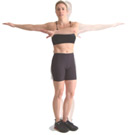
Rotations
|
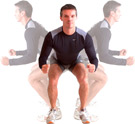
90 Degree Jumps | Alt Straddle |
|---|---|---|
 |
 |
 |
|
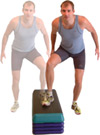
1 Leg Butt Kick
|
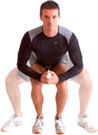
Ski Tuck Jumps
|
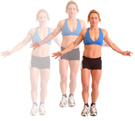
2 Foot Side Hop
|
 |
 |
 |