Resting Heart Rate Test
Your resting heart rate is often a good determination as to how fit you are, as well as indicating if you're either over training or unwell - showing up as unexplained increases in resting heart rate.
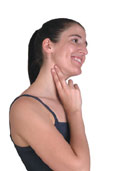 If using a heart rate monitor, make sure that there is a good connection between the chest strap and your chest, with adequate connection fluid, as often most heart rate monitors will require a little body perspiration prior to performing consistently.
Its important to remember that the best time to take a resting heart rate test is first thing in the morning, when you awake, as simply getting up and walking around your bedroom will cause your resting heart rate to rise.
There are many other factors that can cause your resting heart rate to be higher, than normal, such as smoking - caffeine and stress.
Remember to take your resting heart rate over at least 3 days so that you can get an average reading.
For example if on day one you record 72 bpm (beats per minute) day two you record 78 bpm and on day three you record 72 bpm, then your average is 74 bpm.
Look at recording your resting heart rate for a full minute to make the test as accurate as possible.
As you become fitter through aerobic exercise, your heart becomes more efficient at pumping blood around the body, especially if combined with a reduction of the plaque (fatty deposits) within your arteries.
As a result you will find your resting heart rate gets lower so you will need to check your RHR on a regular basis and recalculate any target zones you have, especially if working with a heart rate monitor.
Drugs found in many medications raise the heart rate and do not give a true indication of your resting heart rate.
A high resting heart rate, such as 10 - 20 beats higher than your normal resting rate, may be a sign that your training too hard and as such a rest may be good for your heart.
The below charts have been created by the Netfit team as a combination of different sources, as many sites will give a variety of different ranges for resting heart rates.
As an example, a man with a resting heart rate of 72 at an age of 40, will be classed as having an average resting heart rate.
A young women at 22 years of age with a resting heart rate of 55, would be classed as (athlete), but not all low resting heart rates are a good indication of an individuals fitness.
|
|
||||||
|
|
|
|
|
|
|
|
|
|
|
|
|
|
|
|
|
|
|
|
|
|
|
|
|
|
|
|
|
|
|
|
|
|
|
|
|
|
|
|
|
|
|
|
|
|
|
|
|
|
|
|
|
|
|
|
|
|
|
|
|
|
|
|
|
|
||||||
|
|
|
|
|
|
|
|
|
|
|
|
|
|
|
|
|
|
|
|
|
|
|
|
|
|
|
|
|
|
|
|
|
|
|
|
|
|
|
|
|
|
|
|
|
|
|
|
|
|
|
|
|
|
|
|
|
|
|
|
|
|
|
|
Your resting heart rate does not alter between males and females. Gender differences between heart rates, may be a sign to lower cardiovascular disease in women and greater longevity of life for women. Women in the Western World, generally live longer lives than men but have a higher risk of sudden, heart-related death compared to men.
As you become older, your heart rate decreases, with infants having the highest resting heart rates from 100 to over 160 beats per minute.
Young children, under 10, have a resting heart rate range from 70 to 120 beats per minute.
Adults generally have a resting heart rate of 60 to 100 beats per minute.
Resting heart rate is an approximate measurement and one of many tools used for testing your health. Large fluctuations in your resting heart rate readings should be an early indication that your training too hard or something more serious could require a Doctors visit.