Vitamin D
Vitamin D is known as the sunshine vitamin, because a chemical reaction of the sun's ultraviolet rays on the skin produces vitamin D-3.
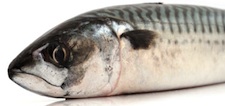
Food sources to obtain vitamin D are almost exclusively reserved to oily fish such as herring or salmon, small amounts are also found in foods such as creamy milk and the yolks of eggs.
Vitamin D is a fat-soluble vitamin, which is absorbed with the fats in the diet through the intestinal wall.
 Deficiency symptoms of vitamin D include Rickets (bow legs, knock-knees, enlargement of bones), poor growth and lack of bone development, osteomalacia (softening of the bones), muscle numbness, tingling or spasms.
Arthritis and thyroid problems have also been linked to a deficiency of vitamin D.
Vitamin D has been used very successfully in formulations with Vitamin A in topical ointments, which cure painful nappy rash and many other difficult skin conditions.
Recent studies on animals (and some human surveys) have also suggested that it might have an effect in reducing the following cancers: breast - colon - prostate.
Active vitamin D functions as a hormone by sending a message to the intestines to increase the absorption of calcium and phosphorus.
The main function of vitamin D is to maintain normal blood levels of calcium and phosphorus.
By promoting calcium absorption, vitamin D helps to form and maintain strong bones.